
Probiotics and immune health get mentioned together so often that it's easy to nod along without knowing why. The link is real, and it's more interesting than "good bacteria, good immunity." It starts with a surprising fact about where your immune system actually lives.
Rainy season, MRT crowds, airplane air, three events in one weekend. We all want to look after ourselves through it. So here's the honest version of what probiotics can and can't do for your immune system, and what the research actually says.
Why is the gut so important for the immune system?
Because that's where most of the action is. An estimated 70% of your immune cells are found in gut-associated lymphoid tissue, the immune network woven through the lining of your digestive tract1.
It makes sense when you think about it. Your gut is the biggest surface where the outside world (food, drink, microbes) meets the inside of your body. The immune system keeps a huge team stationed there to decide what's friend and what's not.
And living right next to that team are trillions of bacteria. They're not just passing through. Research shows the gut microbiota helps "train" the immune system from early life, shaping how it responds to threats and how it stays calm around things that aren't threats2. That's the connection: your bacteria and your immune cells are neighbors who talk all day.
Why gut health and immune health are talked about in the same breath.
How do probiotics interact with the immune system?
Probiotics are live microorganisms that, in adequate amounts, confer a health benefit3. When it comes to immunity, researchers have looked at a few ways they may matter:
- Crowding and competing. Lactobacillus and other friendly bacteria take up space and nutrients on the gut lining, which leaves less room for less friendly microbes2.
- Supporting the gut barrier. A healthy gut lining is part of your first line of defense, and some strains have been studied for their effects on it2, 4.
- Signaling to immune cells. Certain strains have been shown in studies to influence the activity of immune cells in the gut, including how they produce signaling molecules4.
These are mechanisms seen in research, mostly for specific strains. The bigger question is whether any of that adds up to a difference you'd notice.
Three ways researchers think probiotics matter
Mechanisms seen in studies, mostly for specific strains.
 Crowding and competing
Friendly bacteria take up space and nutrients on the gut lining.
 Supporting the barrier
A healthy gut lining is part of your first line of defense.
 Signaling
Some strains influence how immune cells in the gut behave.
Do probiotics help immune health? What trials show
Here's where I want to be straight with you.
A Cochrane review (the gold standard of evidence summaries) looked at trials of probiotics and acute upper respiratory tract infections, which is science-speak for the common cold. Across the trials it pooled, fewer people in the probiotic groups had a cold (low-certainty evidence) and fewer needed antibiotics for one (moderate-certainty evidence), with results varying by strain and study quality5. That's a finding about those trials and those strains, not about any product.
That's a genuinely encouraging signal. It's also not a promise. "May be associated with fewer colds in some studies" is not "won't get sick." Any brand that tells you a probiotic is an immunity shield is skipping the fine print.
What I take from the research: a daily probiotic is a reasonable part of looking after the gut, where so much of your immune system lives. It sits alongside the basics, not in place of them.
What the Cochrane review found
Probiotics and the common cold, across pooled trials of specific strains.
What does vitamin C do for immunity?
Vitamin C contributes to the normal function of the immune system6, 11. That's the wording the EU's food safety authority has authorized, and it's the careful way to say it. Vitamin C supports several immune cell functions and acts as an antioxidant6.
What it doesn't do: a separate Cochrane review found that taking vitamin C regularly didn't reduce how often the general population caught colds, though it was linked to slightly shorter ones7. So vitamin C is a sensible daily nutrient, not a cold-stopper. Keep expectations gentle.
What actually supports immunity day to day?
The least glamorous list in wellness, and the most important one:
- Sleep. In a study where volunteers were exposed to a cold virus, people sleeping under six hours a night were far more likely to get sick than those sleeping seven or more8.
- Movement. Regular moderate exercise is consistently linked to better immune function9.
- Stress. Chronic stress is linked to lower immune responsiveness, so rest days are not optional12.
- Food. Fiber, fruits and vegetables feed your gut bacteria, which brings us back to where we started.
- Hand-washing and vaccines. Still the most proven tools we have, especially in flu season and crowded commutes.
- Consistency. A routine you keep daily beats a supplement you take when you remember.
Questions, answered
Do probiotics boost your immune system?
"Boost" is the wrong word. Some probiotic strains have been shown to influence immune activity, and some trials have looked at colds, but the evidence is low-certainty. Think "support," not "boost."
Which probiotic is best for immunity?
No single strain has been proven best. Studies have used various Lactobacillus and Bifidobacterium strains with mixed results. Choose a named-strain product you'll take consistently, and keep the basics in place.
Is 50mg of vitamin C enough?
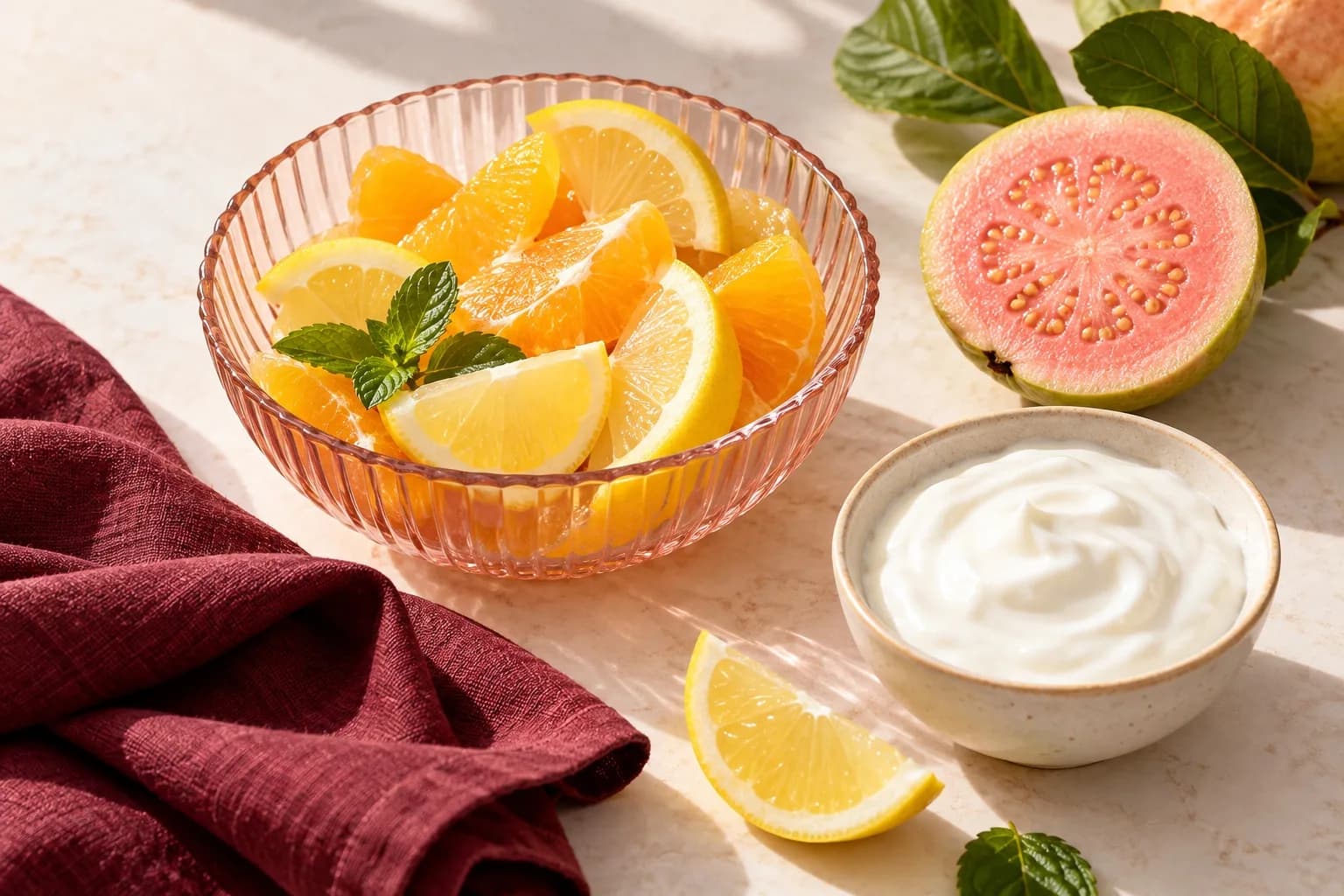
The Philippine Dietary Reference Intake for adult women is about 70mg a day10, and most people also get vitamin C from food (calamansi, papaya, guava, bell peppers). A supplement with 50mg is a daily contribution toward that, alongside food, not a megadose.
Do probiotics make a difference to colds?
No product should claim to prevent colds. Cochrane reviewers found low-certainty signals in some trials of specific strains. Vaccines, hand-washing and sleep remain the proven tools.
How long should I take probiotics for immune support?
Trials usually run for weeks to months of daily use, so a daily habit is the point. Consistency is the sweet spot.
xo, NicoleNicole Borromeo, Founder, Popelle
References
- Vighi G, et al. Allergy and the gastrointestinal system. Clin Exp Immunol. 2008;153(Suppl 1):3-6.
- Belkaid Y, Hand TW. Role of the microbiota in immunity and inflammation. Cell. 2014;157(1):121-141.
- Hill C, et al. The International Scientific Association for Probiotics and Prebiotics consensus statement on the scope and appropriate use of the term probiotic. Nat Rev Gastroenterol Hepatol. 2014;11(8):506-514.
- Mazziotta C, et al. Probiotics mechanism of action on immune cells and beneficial effects on human health. Cells. 2023;12(1):184.
- Zhao Y, et al. Probiotics for preventing acute upper respiratory tract infections. Cochrane Database Syst Rev. 2022;8(8):CD006895.
- Carr AC, Maggini S. Vitamin C and immune function. Nutrients. 2017;9(11):1211.
- Hemilä H, Chalker E. Vitamin C for preventing and treating the common cold. Cochrane Database Syst Rev. 2013;(1):CD000980.
- Prather AA, et al. Behaviorally assessed sleep and susceptibility to the common cold. Sleep. 2015;38(9):1353-1359.
- Nieman DC, Wentz LM. The compelling link between physical activity and the body's defense system. J Sport Health Sci. 2019;8(3):201-217.
- FNRI-DOST. Philippine Dietary Reference Intakes 2015. Food and Nutrition Research Institute, Department of Science and Technology.
- European Commission. EU Register of nutrition and health claims: vitamin C, "contributes to the normal function of the immune system" (Commission Regulation (EU) No 432/2012).
- Segerstrom SC, Miller GE. Psychological stress and the human immune system: a meta-analytic study of 30 years of inquiry. Psychol Bull. 2004;130(4):601-630.